Curricular and Philosophical Changes to the Program
This season reflects a meaningful shift in how we will be supporting production work in the coming year. Currently, we use tuition-funded credit to compensate directors, choreographers, music directors, and other key creative staff. Courses such as Music Theatre Company, Acting Company, and Dance Project are key to building a balanced responsible production budget within the University System of New Hampshire.
We have been asked to merge our curriculum and our production work with another academic unit within the School of Integrated Liberal Arts. This will allow us to expand and continue our creative work within the evolving structure of the University.
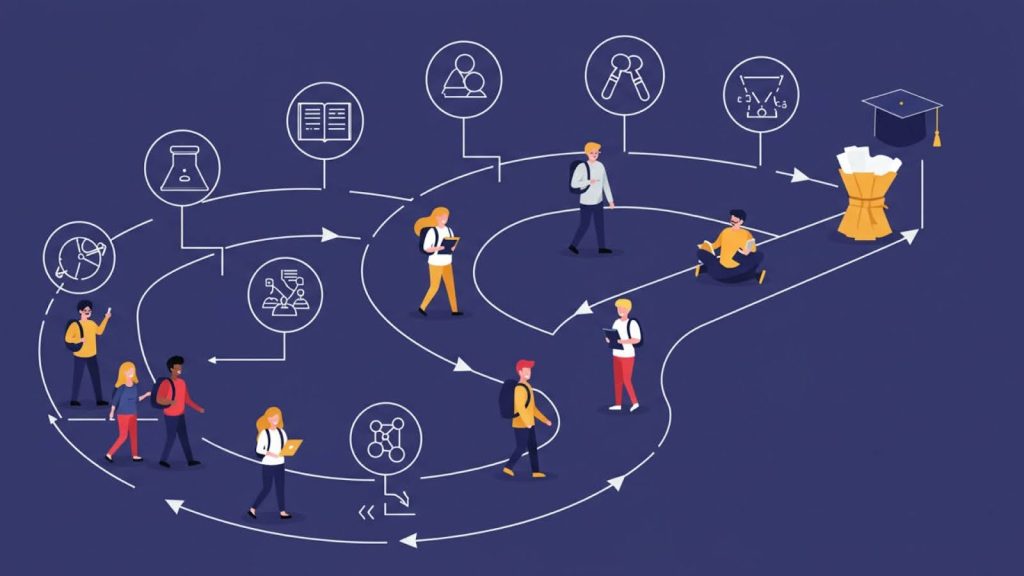
Partnering with Game Design
Merging theatre and game design is a growing interdisciplinary path—both fields revolve around storytelling, immersion, and audience/player experience. We are building a program that combines them, here’s how they connect and what that pathway can look like:
Both disciplines share core elements:
- Narrative & Worldbuilding → theatre scripts vs. game storylines
- Character Development → actors vs. player-controlled characters
- Staging & Environment → stage design vs. level design
- Audience Engagement → live audience vs. interactive player
- Improvisation & Agency → live performance vs. player choice
Modern games increasingly feel like interactive theatre—especially RPGs, immersive sims, and VR experiences. Anticipate curriculum devlopments as we go into the spring semester in 2027, just after Winter Break.
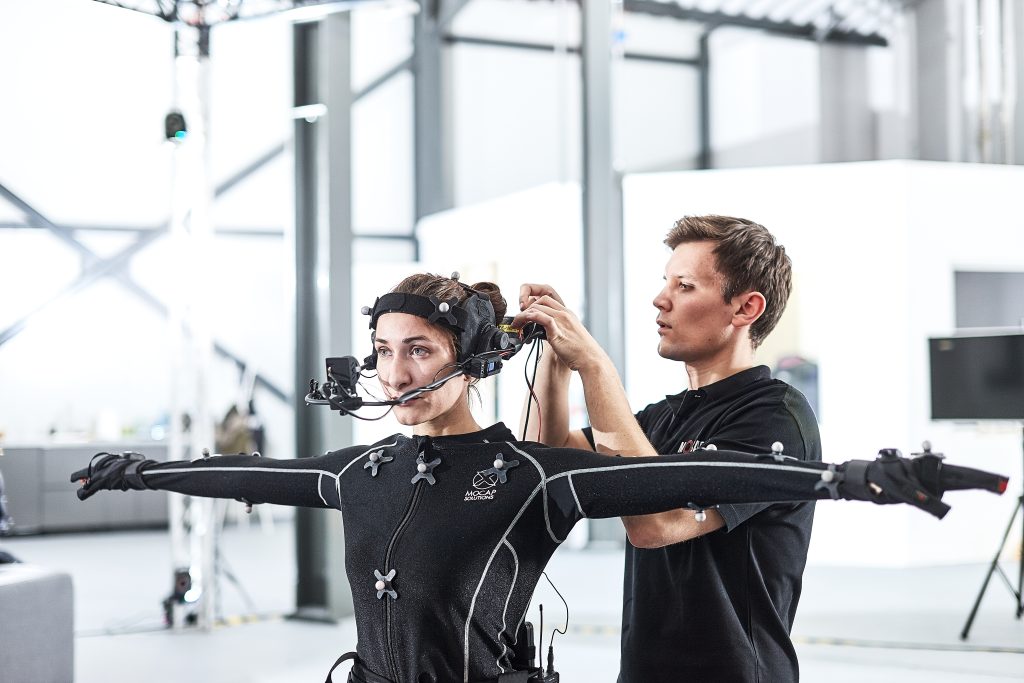
What You Will Study in the New Hybrid Program:
- Interactive narrative design
- Immersive/experiential design (escape rooms, AR/VR theatre)
- Performance capture / voice acting for games
- Branching storytelling systems
- Live-action role-playing (LARP) design
The Season
Our season for 2026-2027 directly reflects integration of the new curriculum being introduced as well as the updated purchasing and production systems.
PRODUCTION 1: October 15-17
Doom
Hanaway Theatre
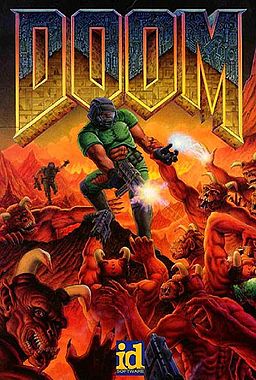
Doom is one of the most culturally significant video games ever made—not just because it was popular, but because it fundamentally changed technology, culture, and how people think about games. It became the blueprint for countless games that followed. The term “deathmatch” itself comes from Doom—and multiplayer gaming as we know it grew from here.
This will be produced in collaboration with the Digital Media Production and Entrepreneurship program at Plymouth State. Anticipate trauma makeup, dystopian costumes, and decibels.
Directed by Scott Sweatt.
PRODUCTION 2: November 19-21
Space Invaders
Cheney studio Theatre
Space Invaders isn’t just an early arcade hit—it’s one of the most culturally influential video games ever made. Its impact goes way beyond gameplay and helped shape modern gaming, pop culture, and even technology. It turned gaming into a global industry. It introduced core concepts, such as:
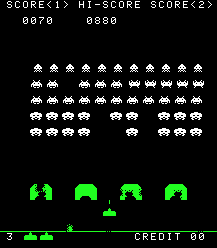
- Increasing difficulty over time
- High score tracking (competition culture)
- Simple but addictive gameplay loops
This will be a devised movement piece. It will include heavy use of projected media. Like the game itself, the movement will become faster as the work continues. Like the game, there will be fifty-five aliens on screen (onstage), with one player. All majors and minors will be included in the cast.
Directed by Becky Gregoirre
PRODUCTION 3: March 4-6
The Oregon Trail
Cheney studio Theatre
The Oregon Trail is one of the most culturally significant educational games ever made. It didn’t just teach history—it shaped how millions of people experienced learning, gaming, and even American identity.
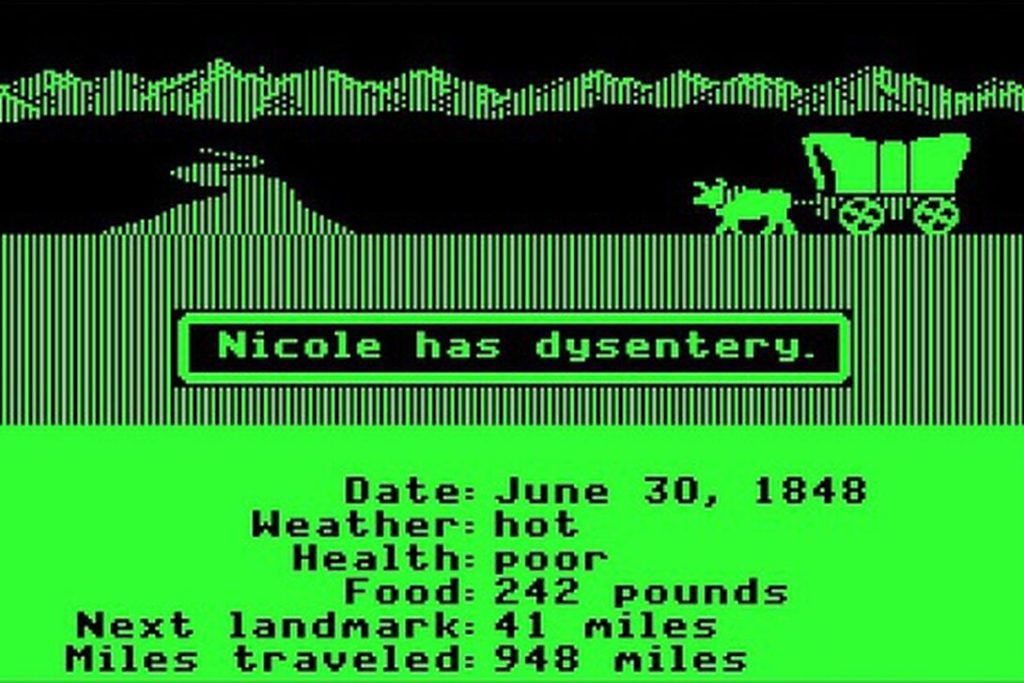
The Oregon Trail is culturally significant because it:
- Helped invent educational gaming
- Transformed how history can be taught
- Popularized simulation-based learning
- Became a shared cultural touchstone
- Shaped early experiences with computers
- Continues to influence how we think about games in education
The game already has strong drama: survival, conflict, loss, and constant decision-making. The key is to translate its interactivity and uncertainty into theatrical form. At its heart, the play becomes a group of travelers trying to reach Oregon… while everything goes wrong. Scarcity, random events (illness, weather), and moral decisions (who gets what and risks what) are the driving forces. Episodic structure.
Directed by Jessie Chapman
PRODUCTION 4: April 15-17
Minecraft
Hanaway Theatre
Turning Minecraft into a stage play is less about telling one fixed story and more about capturing its core ideas: creativity, survival, exploration, and player freedom. Unlike The Oregon Trail, Minecraft has no built-in narrative—so our job is to invent one that feels like the game. Characters entering a strange, blocky world where they must build, survive the night, and shape their own reality.
- Characters wake up in a Minecraft-like world
- Must learn rules (crafting, danger, night cycle)
- Goal: escape or build a home
This is a musical. Minecraft-owned music, including tracks by C418 and newer composers, can be used in monetized, non-commercial, or commercial content, provided it follows the official Minecraft Usage Guidelines. We will have an original script in-hand already that incorporates familiar music with engaging lyrics in standard AABA format.
Directed by Fran Page
Industry Committment
Some of you might be interested in a panel discussion which was held in Long Beach at the conference for the United States Insitute for Theatre Technology on Saturday morning. I was able to acquire a recording of the session.